
Wildlife & Nature
Pigeon Island National Park, situated off the eastern coast of Sri Lanka near Nilaveli, is a marine national park renowned for its vibrant coral reefs, diverse marine life, and pristine beaches. Here are key features of Pigeon Island National Park:
1. Marine Biodiversity: Pigeon Island is celebrated for its rich marine biodiversity, making it a haven for snorkelers and divers. The coral reefs surrounding the island host a variety of colorful corals, including both hard and soft corals.
2. Snorkeling and Diving: The park offers exceptional snorkeling and diving opportunities, allowing visitors to explore the underwater wonders. Snorkelers can encounter an array of marine species, including reef fish, sea turtles, and various coral formations. Divers may explore deeper areas for a more immersive experience.
3. Coral Gardens: Pigeon Island features stunning coral gardens that attract marine enthusiasts. The coral formations provide habitat and sustenance for a diverse range of marine life, contributing to the ecological significance of the park.
4. Rock Pigeon Colonies: The island is named after the rock pigeon colonies that inhabit it. While the pigeons are a notable aspect of the park, the marine environment and coral reefs are the primary attractions for visitors.
5. Two Islands: Pigeon Island National Park is composed of two islands: Large Pigeon Island and Small Pigeon Island. The larger island is open to visitors, while access to the smaller island may be restricted to protect sensitive nesting sites.
6. White Sandy Beaches: Both islands boast pristine white sandy beaches, providing visitors with picturesque settings for relaxation and picnics. The clear blue waters and gentle waves contribute to the idyllic coastal ambiance.
7. Coral Conservation: Efforts are made to conserve and protect the coral reefs within the national park. Visitors are encouraged to follow responsible tourism practices, such as not touching or damaging the corals, to preserve the delicate marine ecosystem.
8. Marine Conservation Awareness: Pigeon Island National Park serves as an educational platform for marine conservation. Signage and information provided in the park aim to raise awareness about the importance of protecting coral reefs and the marine environment.
To visit Pigeon Island National Park, one can take a boat ride from Nilaveli, and the island is typically open for day visits. It’s a destination that appeals to nature lovers, snorkelers, and anyone seeking to experience the beauty of Sri Lanka’s underwater world.
Please note there is an entrance fee and tickets for boat hire.

Sightseeing
The Royal Botanical Gardens in Peradeniya, located in Kandy, Sri Lanka, is renowned for its stunning collection of plants and trees. Here are some key points about the Peradeniya Royal Botanical Gardens:
1. Location: The gardens are situated about 5.5 kilometers west of Kandy, the second-largest city in Sri Lanka.
2. History: The botanical gardens date back to the 14th century when they were royal pleasure gardens for Kandyan kings. However, the present garden layout was established in 1821 by the British during the colonial period.
3. Size and Layout: The Peradeniya Botanical Gardens cover an extensive area of around 147 acres. The gardens are beautifully landscaped and showcase a wide variety of plants, trees, and flowers.
4. Plant Collection: The gardens boast a diverse collection of flora, including palm trees, orchids, medicinal plants, spices, and an extensive avenue of royal palms. Notable collections include the Giant Bamboo of Burma, Javan fig tree, Cannonball tree, and various species of palms.
5. Avenue of Royal Palms: One of the iconic features of the gardens is the long avenue of royal palms. This majestic row of palms lines the main path and creates a stunning visual experience for visitors.
6. Peradeniya Botanical Gardens Orchid House: The gardens are also famous for their orchid collection. The Orchid House showcases a wide variety of orchids, including many indigenous species. It is a treat for orchid enthusiasts and those interested in tropical flora.
7. Great Circle: The Great Circle is a large circular lawn surrounded by palm trees. It provides a picturesque setting and is often used for recreational activities and events.
8. Botanical Museum: The gardens house a botanical museum that provides information about the history and development of the gardens, as well as exhibits on plant taxonomy and evolution.
9. Visitor Facilities: The gardens offer facilities such as guided tours, a souvenir shop, and a restaurant. Visitors can explore the gardens at their own pace or take guided tours to learn more about the various plant species.
10. Breathtaking Scenery: Apart from the diverse plant life, the gardens are also known for their scenic beauty. The Mahaweli River runs alongside, adding to the overall charm of the location.
The Peradeniya Royal Botanical Gardens is not only a haven for nature lovers and botanists but also a popular destination for tourists seeking a peaceful and visually captivating experience.
Please note, there is an entrance fee to enter the garden.
Wildlife & Nature
Udawalawe National Park, located in the southern part of Sri Lanka, is a renowned wildlife sanctuary celebrated for its diverse flora and fauna, with a particular emphasis on elephants. Here are key features of Udawalawe National Park:
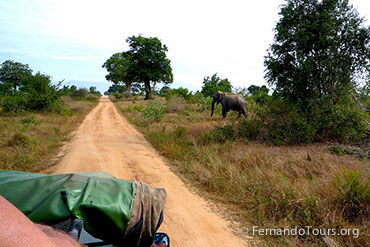
1. Elephant Population: Udawalawe is famous for its significant elephant population, and the park is considered one of the best places in Sri Lanka to observe these majestic creatures in their natural habitat. The park provides a crucial habitat for Sri Lankan elephants, and visitors often witness herds roaming freely.
2. Wildlife Safari: Safari tours in open-top jeeps are a popular way to explore Udawalawe National Park. During the safari, visitors have the opportunity to spot a variety of wildlife, including elephants, water buffaloes, crocodiles, deer, and a diverse range of bird species.
3. Udawalawe Reservoir: The park surrounds the Udawalawe Reservoir, which not only enhances the scenic beauty of the area but also serves as a crucial water source for the park’s wildlife. The reservoir attracts a variety of bird species, making it a haven for birdwatchers.
4. Bird Watching: Udawalawe is a paradise for bird enthusiasts, with over 200 bird species recorded in the park. Common sightings include peafowl, eagles, owls, herons, and many other migratory and resident bird species.
5. Nature Trails: Some areas within the park offer nature trails for those who prefer a more active way of exploring. These trails provide a closer look at the park’s vegetation and offer opportunities for observing smaller wildlife.
6. Conservation and Research: Udawalawe National Park is actively involved in conservation efforts, particularly regarding the protection of elephants. Researchers and conservationists study the park’s wildlife to better understand and protect its ecosystems.
7. Scenic Landscapes: In addition to its wildlife, Udawalawe offers picturesque landscapes with grasslands, scrub jungles, and the backdrop of the surrounding hills. The scenery adds to the overall safari experience.
8. The Elephant Transit Home: The Elephant Transit Home, located near Udawalawe National Park in Sri Lanka, is a unique rehabilitation center for orphaned elephants.
9. Accessibility: Udawalawe is easily accessible, making it a popular destination for both local and international tourists. The proximity to major cities and well-maintained roads contribute to its popularity.
Udawalawe National Park is not only a haven for wildlife enthusiasts but also plays a crucial role in the conservation of Sri Lanka’s natural heritage. The park offers a memorable and immersive experience for those seeking to witness the beauty of the island’s wildlife in a natural and protected environment.
Please be aware that there is an entrance fee required for access to Udawalawe National Park, in addition to expenses associated with hiring a jeep for your visit.

Wildlife & Nature
The Elephant Transit Home, located near Udawalawe National Park in Sri Lanka, is a unique rehabilitation center for orphaned elephants. Here are key features of The Elephant Transit Home:
1. Rescue and Rehabilitation: The primary purpose of The Elephant Transit Home is to rescue, rehabilitate, and release orphaned elephant calves back into the wild. Many of these calves have been orphaned due to various reasons, including human-wildlife conflict, accidents, or natural disasters.
2. Collaboration with the Department of Wildlife Conservation: The facility operates in collaboration with the Department of Wildlife Conservation in Sri Lanka. The ultimate goal is to reintegrate the rehabilitated elephants into their natural habitat.
3. Minimal Human Contact: The rehabilitation process at The Elephant Transit Home emphasizes minimal human contact to ensure that the elephants retain their wild instincts and behaviors. This approach increases the chances of successful reintroduction into the wild.
4. Feeding Program: The facility has a unique feeding program where milk is provided to the orphaned calves at regular intervals. The milk is delivered through a special feeding gate, minimizing direct interaction between the elephants and caretakers.
5. Observation Deck: Visitors to The Elephant Transit Home can observe the elephants from a designated viewing deck. The observation deck is strategically located to allow guests to witness the feeding sessions and the elephants’ behavior without causing any disturbance.
6. Release into Udawalawe National Park: Once the elephants reach an age and level of maturity suitable for survival in the wild, they are released into Udawalawe National Park. This process is gradual and allows the elephants to adapt to their natural environment.
7. Educational Initiatives: The facility also serves as an educational center, raising awareness about the conservation challenges faced by elephants in Sri Lanka. Visitors learn about the importance of protecting natural habitats and minimizing human-wildlife conflict.
8. Contribution to Conservation: The Elephant Transit Home plays a vital role in the broader conservation efforts for Sri Lankan elephants. By rescuing and rehabilitating orphaned elephants, the center contributes to the preservation of the species and the conservation of biodiversity.
Visiting The Elephant Transit Home provides a unique opportunity to witness the rehabilitation process of orphaned elephants and to support conservation initiatives. It is a place where the well-being of the elephants takes precedence, and the ultimate goal is to give them a second chance to thrive in their natural environment.
Please note that there is a small entrance fee to The Elephant Transit Home.
History & Culture
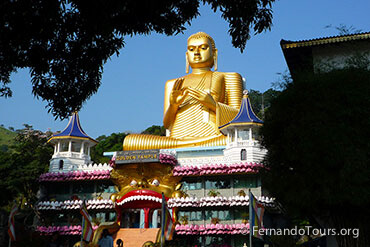
The Dambulla Cave Temple, also known as the Golden Temple of Dambulla, is a UNESCO World Heritage Site in Sri Lanka. It is located in the central part of the country, near the town of Dambulla. The temple complex is renowned for its ancient cave temples, stunning murals, and numerous Buddha statues. Here are some key features and information about the Dambulla Cave Temple:
1. Historical Significance: The Dambulla Cave Temple has a history that dates back to the 1st century BCE when King Valagamba took refuge in these caves during an invasion. After regaining his throne, he converted the caves into a rock temple.
2. Cave Complex: The temple complex consists of five caves that are carved into a large granite rock. These caves are interconnected and house a vast collection of Buddhist murals, sculptures, and statues.
3. Buddha Statues: The caves contain over 150 statues of Buddha in various poses and sizes. The largest and most impressive is a 14-meter long reclining Buddha statue in the first cave.
4. Wall Paintings: The interiors of the caves are adorned with intricate and well-preserved ancient frescoes that depict scenes from the life of Buddha, as well as various deities and historical events.
5. Cave Names and Themes:
– Cave 1: The Devaraja Lena (Cave of the Divine King) features a 14-meter long reclining Buddha statue.
– Cave 2: The Maharaja Lena (Cave of the Great Kings) contains statues of standing and seated Buddhas.
– Cave 3: The Maha Alut Viharaya (Great New Temple) features a stupa and various seated Buddha statues.
– Cave 4: The Pachima Viharaya (Western Temple) includes a large statue of the meditating Buddha.
– Cave 5: The Devana Alut Viharaya (Second New Temple) houses various Buddha statues and paintings.
6. Golden Temple: The exterior of the caves and the surrounding area are adorned with a golden facade, giving the temple its nickname, the “Golden Temple of Dambulla.”
7. Cultural Importance: The Dambulla Cave Temple is a significant pilgrimage site for Buddhists and is considered one of the most well-preserved cave temple complexes in Sri Lanka.
8. UNESCO World Heritage Site: In 1991, the Dambulla Cave Temple was designated as a UNESCO World Heritage Site in recognition of its cultural, archaeological, and artistic significance.
9. Visitor Facilities: The site has facilities for visitors, including a museum that provides more information about the history and significance of the temple complex.
Visiting the Dambulla Cave Temple offers not only a spiritual experience but also an opportunity to admire the ancient art and architecture that has been preserved for centuries. The site attracts both pilgrims and tourists interested in Sri Lanka’s rich cultural heritage.
Kindly be advised that there is an entrance fee for visiting The Dambulla Cave Temple.
